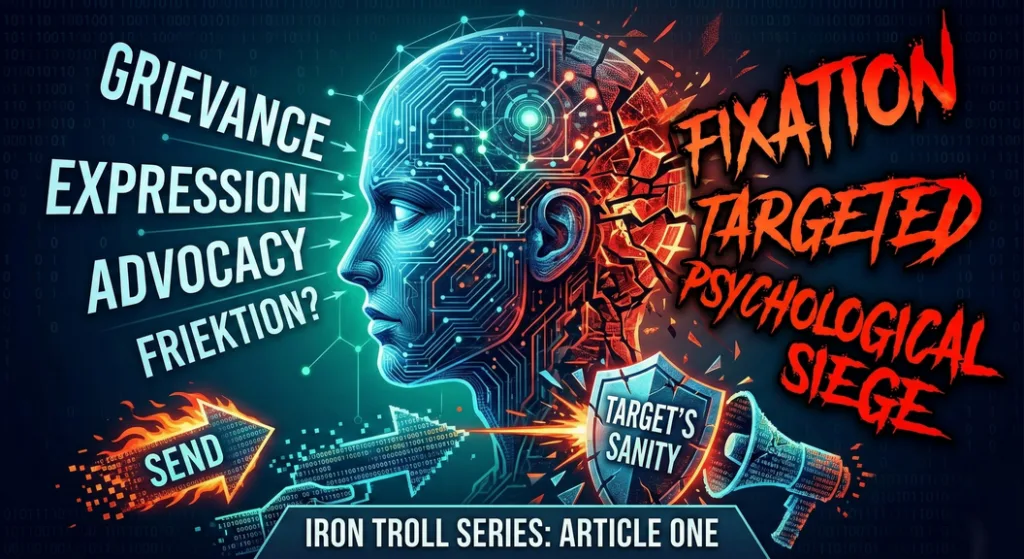
In the digital age, blogging and social media give everyone a microphone. That’s a powerful and often positive thing. People can expose wrongdoing, share painful experiences, build communities, and hold institutions accountable. But sometimes, something shifts. What begins as criticism can become personal. What begins as expression can become fixation. And what begins as advocacy can feel, to the target, like psychological siege.
This article isn’t about any one blogger though, it’s about patterns, the psychology behind targeted blogging and how it can escalate in ways that can surprise both writers and readers.
The Rise of Grievance Blogging
Let’s talk about grievance blogging. It usually starts the same way: someone feels wronged. Maybe it’s a nasty divorce, a business falling-out, a court ruling that stings, drama at work, or just the sting of betrayal.
The writer often feels ignored, powerless, wounded. Blogging offers a way to set the record straight, to push back against lies, to reclaim a sense of control, to patch up a damaged identity.
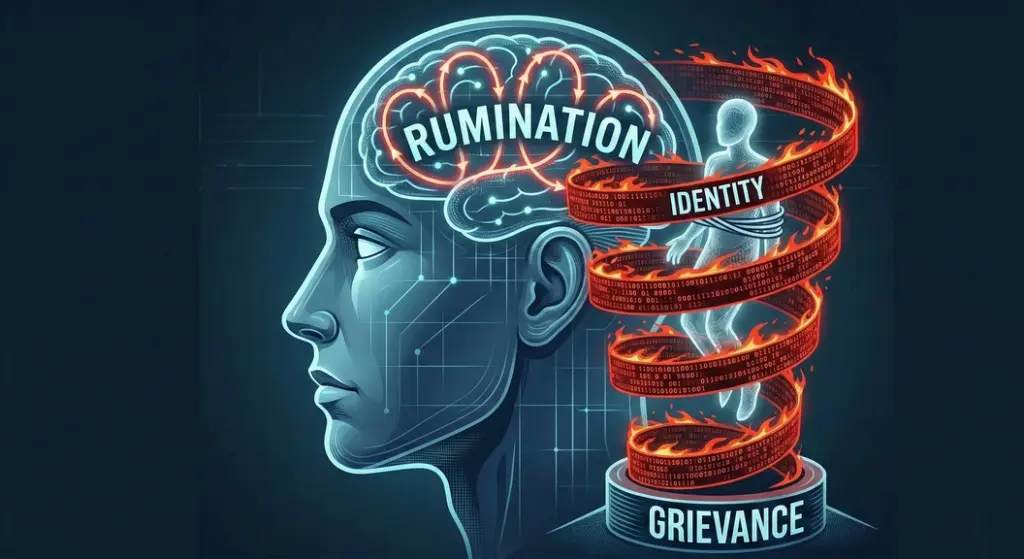
At first, this can help. Writing is cathartic. Sharing pain builds support. But psychology warns us: if you keep circling that same injustice, your brain lays down deeper tracks for the anger and hurt. This is called rumination, the endless replaying of a story, and retelling it only gets easier. The internet ramps it up.
How the Internet Reinforces Fixation
Before blogs, you might’ve ranted to a friend. Now? You can post your story for the world, every day if you want. You reread your own words. Strangers cheer you on. You watch the numbers climb. Comments pile up. It’s all instant feedback.
Each new post is a hit of validation. When a blog zeroes in on one person, a judge, ex, official, journalist, the writer’s mental world tightens. Obsession creeps in. Psychologists call this fixation.
What Is Fixation?
In psychology, fixation isn’t just “thinking about something a lot.” It involves:
• Persistent focus on a specific person or institution
• Increasing emotional intensity
• Repetition of themes
• Difficulty shifting attention elsewhere
• Identity becoming tied to the conflict
The issue stops being something that happened. It becomes who the writer is.
The blog may evolve from:
“I was treated unfairly.”
To:
“This person is corrupt.”
To:
“They must be exposed.”
To:
“They deserve consequences.”
That shift is subtle, but powerful.
When Criticism Becomes Targeted
There’s a big difference between criticizing a system and going after one person, over and over. Targeted blogging means naming the same individual again and again, sharing personal info, guessing at motives, painting neutral actions as sinister.
The blogger often feels righteous. But to the target, it can feel like an attack. And here’s what a lot of people miss: even if the writer never plans real-world harm, being the focus of repeated, personal posts can be terrifying.
Why Targets Experience Fear
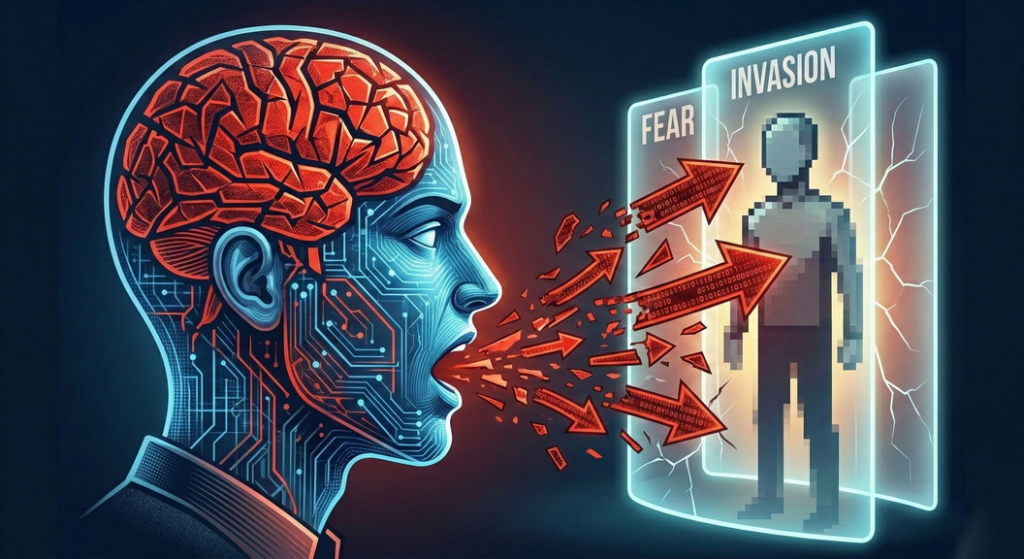
Why? Our brains are built to scan for threat. If someone keeps mentioning your name online, emails you directly, posts about your family or home, predicts consequences, or ramps up their language, your body reacts. It doesn’t calmly analyze, “Oh, this is just a blog post.” It wonders, “How close is this person getting?” That’s why courts increasingly treat persistent digital contact as a kind of approach, not just words. It shrinks the psychological distance.
Escalation: What It Looks Like
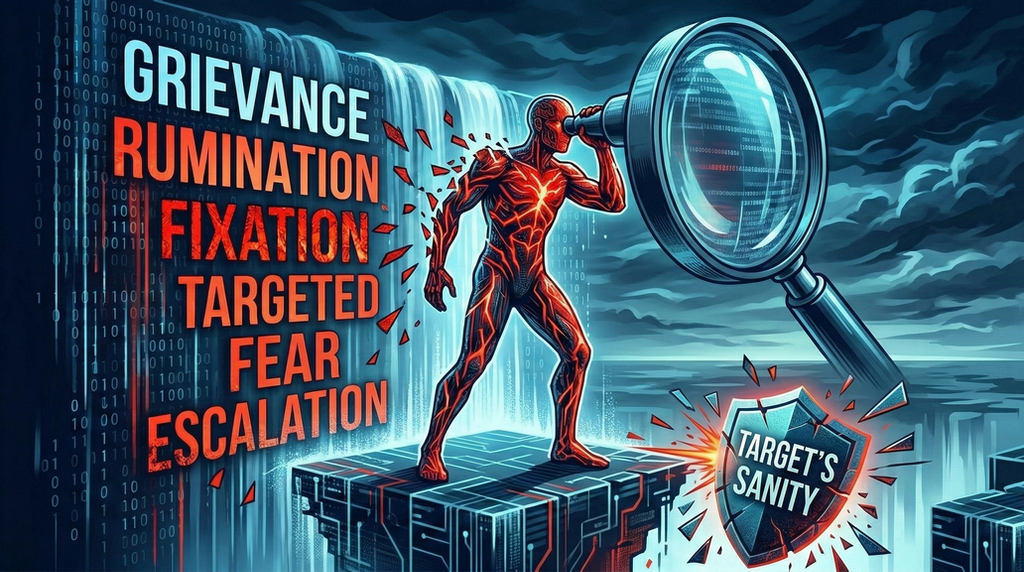
Most grievance bloggers don’t cross the line into violence. That matters. Still, when things do escalate, the pattern is familiar: it starts with public complaints, moves into more emotional language, repeats the same target, then reaches out with direct messages or emails. The language gets personal—“You’ll pay for this.” Posting grows frantic. The writer drops other topics, focusing only on the grievance.
Escalation isn’t just about anger. It’s about growing intensity, narrowed focus, and relentless persistence.
The Role of Personality Traits
Personality plays a role, too. Some traits make escalation more likely, especially under stress. Narcissistic traits may magnify feelings of humiliation. Paranoid traits can create suspicion and hostile interpretations. Rigid thinkers struggle to see another side. People who have trouble managing their emotions might post impulsively, again and again.
But traits are not diagnoses and diagnosis requires clinical evaluation, something no reader should attempt from a distance. What matters more than labels is behavior pattern.
The Illusion of Moral Mission
One powerful psychological shift happens when a blogger begins to see themselves not just as wronged, but as righteous. The narrative becomes:
• “I’m the only one telling the truth.”
• “No one else has the courage.”
• “If I stop, injustice wins.”
This moral framing can reduce self-restraint. When someone believes they are fighting corruption, boundaries can feel less important. That doesn’t mean they’re violent, but it does mean escalation can feel justified internally.
Why This Matters to You
When you read content online, here are important questions to ask:
• Is this writer expanding their life, or narrowing it?
• Are they reporting new information, or repeating the same grievance?
• Has tone intensified over time?
• Are they encouraging accountability, or personal retaliation?
• Is the target described as flawed, or evil?
Escalation often shows up in language long before behavior.
For Bloggers Themselves
If you write about injustice, consider:
• Is this topic consuming most of your mental energy?
• Has your world become smaller?
• Are you sleeping poorly because of the conflict?
• Are you escalating tone to maintain attention?
• Would stepping back feel impossible?
When something feels impossible to stop, that’s worth examining. Healthy advocacy allows space for other parts of life. Fixation does not.
Free Speech and Responsibility
Free speech protects criticism… even harsh criticism. But free speech does not remove psychological consequences. Targeted, repeated, escalating blogging can:
• Distress families
• Create fear
• Impact safety planning
• Trigger legal consequences
Understanding this isn’t censorship, it’s recognizing that digital communication has real-world effects. The internet has changed how grievances live and grow, it allows:
• Endless repetition
• Immediate reinforcement
• Direct access to targets
• Public escalation
Most people who blog about injustice never cross into violence, but fixation and escalation are real psychological processes and they deserve thoughtful conversation. Understanding them helps writers reflect on their own boundaries, readers to interpret patterns in what they read, and targets to feel validated in their fear. This isn’t about silencing voices, it’s about recognizing when expression turns into something consuming, and possibly harmful.